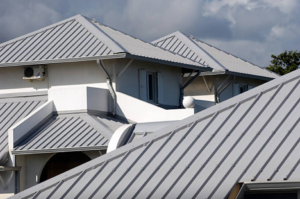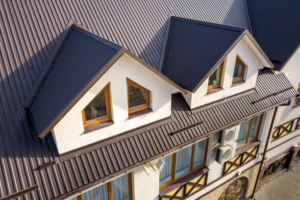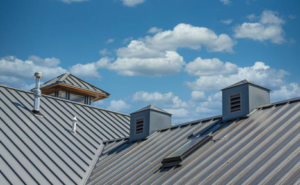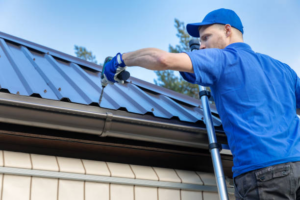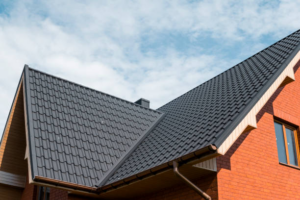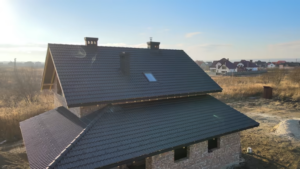
Owning a metal roof in Fort Worth is an investment in durability, style, and long-term performance. While metal roofs are known for their longevity and resilience against harsh weather, they still require regular maintenance to stay in optimal condition. Proper care not only extends the life of your roof but also helps prevent costly repairs and preserves your home’s value.
At Metal Roofing Specialists, we work with homeowners across Fort Worth to provide expert guidance and professional services for maintaining metal roofs. This ultimate maintenance checklist will help you protect your roof, identify potential issues early, and ensure your home remains safe and beautiful for decades.
Why Metal Roof Maintenance Matters
Metal roofs are highly durable and designed to withstand hail, high winds, and extreme temperatures common in Texas. Unlike asphalt shingles, they do not crack or warp easily. However, even the strongest metal roofs can suffer from wear and tear over time if not properly maintained.
Routine maintenance helps prevent common problems such as corrosion, loose panels, and degraded sealants. Ignoring maintenance can lead to leaks, structural damage, or reduced energy efficiency. By implementing a simple maintenance routine, homeowners can enjoy the full lifespan of their metal roof, often 40 to 60 years, without unexpected issues.
Additionally, well-maintained metal roofs retain their appearance and continue to enhance your home’s curb appeal. Regular care demonstrates that you value your investment and helps build trust in the long-term reliability of your roofing system.
Routine Inspection Checklist
Inspecting your metal roof regularly is the cornerstone of preventative care. Here is a step-by-step checklist to follow:
- Frequency: Conduct a visual inspection at least twice a year, ideally in spring and fall. After severe weather events, check your roof immediately for damage.
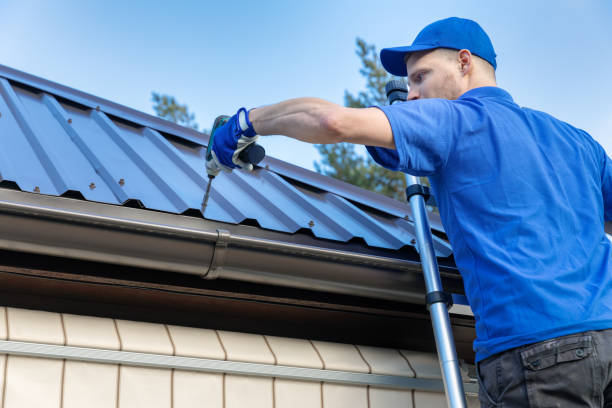
- Fasteners: Examine screws, nails, and clips to ensure they are secure. Loose or missing fasteners can cause panels to shift, creating gaps that allow water intrusion.
- Seams and Joints: Inspect seams and joints for signs of separation or sealant deterioration. Properly sealed seams prevent leaks and maintain structural integrity.
- Roof Penetrations: Check around vents, chimneys, skylights, and HVAC units. These areas are vulnerable to leaks and should be sealed and secured.
- Gutters and Downspouts: Clear debris from gutters and downspouts to prevent water backup, which can damage fascia and siding. Ensure water is directed away from the foundation.
- Signs of Wear: Look for scratches, dents, or rust spots. Addressing minor issues early can prevent larger problems down the line.
By following this checklist, you can catch potential problems before they escalate, keeping your metal roof in top condition.
Preventative Care Tips for Longevity
Routine inspections are essential, but proactive maintenance goes a step further in protecting your roof. Consider these preventative care measures:
- Debris Removal: Regularly remove leaves, branches, and other debris from the roof surface. Debris can trap moisture, leading to corrosion or staining.
- Panel and Sealant Maintenance: Check for loose panels or damaged sealant. Reapply or replace sealant as needed to maintain a watertight roof.
- Protective Coatings: Some metal roofs benefit from protective coatings that reduce oxidation and reflect UV rays. Applying these coatings can extend your roof’s lifespan.
- Seasonal Preparation: Prepare your roof for Texas’s extreme weather. In summer, check for heat-related expansion and ensure adequate ventilation. In winter, inspect for ice or frost accumulation.
- Tree Maintenance: Trim overhanging branches to prevent them from scratching the roof or dropping debris. This practice reduces the risk of damage during storms.
These simple steps, when performed regularly, can help your metal roof perform at its best for decades.
When to Call a Professional
While homeowners can perform basic inspections and minor maintenance, certain issues require the expertise of a professional. You should contact a roofing specialist if you notice:
- Extensive rust or corrosion on panels
- Significant dents or impact damage from hail
- Leaks that cannot be easily sealed
- Loose panels or structural concerns
- Damage around roof penetrations
Professional inspections not only ensure proper repair but also extend the life of your roof. Experts can also perform detailed maintenance tasks, such as re-coating, tightening fasteners, and inspecting underlying structures that may not be visible to the untrained eye.
Regular professional maintenance is a proactive investment that prevents costly emergency repairs and protects your home’s integrity.
Long-Term Benefits of Proper Maintenance
Maintaining your metal roof provides multiple benefits beyond just preventing damage. Proper upkeep:
- Reduces Repair Costs: Early detection and minor repairs prevent major issues that could be expensive to fix.
- Maintains Energy Efficiency: A well-maintained roof reflects heat more effectively, keeping your home cooler in the Texas sun and reducing air conditioning costs.
- Enhances Longevity: Routine care ensures your metal roof lasts for its full design life, often exceeding 50 years.
- Preserves Appearance: Regular cleaning and inspection keep your roof looking new, enhancing your home’s overall aesthetic.
- Protects Home Value: A well-maintained roof signals to buyers that the home has been cared for, enhancing property value.
Investing time and effort in roof maintenance is an easy way to maximize your home’s long-term value and prevent costly surprises.
Conclusion
Metal roofs are a durable and attractive choice for homeowners in Fort Worth, but even the strongest roofing materials require regular care. By following a consistent maintenance checklist, performing preventative care, and calling professionals when needed, homeowners can ensure their metal roofs remain functional and beautiful for decades.
Routine inspections, seasonal preparations, and timely repairs are essential to protecting your investment. A well-maintained metal roof not only prevents damage and reduces repair costs but also enhances energy efficiency, curb appeal, and overall home value.
Protect your Fort Worth metal roof and extend its lifespan. Contact Metal Roofing Specialists today for a professional maintenance inspection and expert guidance on keeping your roof in peak condition.
FAQs
How often should I inspect my metal roof in Fort Worth?
Homeowners should inspect their metal roof at least twice a year and after severe weather to catch potential issues early.
What are common maintenance tasks for metal roofs?
Key tasks include clearing debris, checking fasteners and sealants, cleaning gutters, and promptly addressing minor damage.
Can metal roofs withstand Texas weather without frequent repairs?
Yes. Metal roofs are durable and resistant to hail, wind, and heat, but routine inspections and maintenance ensure long-term performance.
When should I call a professional for metal roof maintenance?
Contact a roofing specialist for extensive rust, damaged panels, leaks, or structural concerns to prevent costly repairs.
Does regular maintenance improve the lifespan of my metal roof?
Absolutely. Proper upkeep enhances durability, energy efficiency, and curb appeal, making it a smart long-term investment with Metal Roofing Specialists.