Metal roofing has become a top choice for Texas homeowners due to its durability, energy efficiency, and longevity. But how long do residential metal roofs actually last in the intense Texas climate? In this guide from Metal Roofing Specialists, Inc. we’ll examine the typical lifespan of different metal roof types, how Texas weather impacts roof performance, and tips to ensure your metal roof protects your home for decades.
Average Lifespan of Metal Roofs in Texas
1. General Lifespan of Metal Roofing Systems
Metal roofs are known for their impressive lifespan, typically ranging from 40 to 70 years. When properly installed and maintained, they significantly outlast traditional roofing materials like asphalt shingles.
2. Longevity of Standing Seam vs. Corrugated Metal Roofs
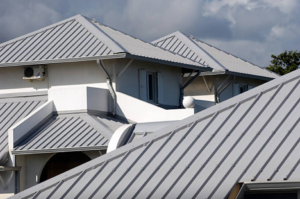
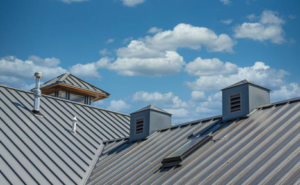
- Standing Seam Metal Roofs: These roofs feature interlocking seams that prevent moisture penetration. In Texas, they often last 50–70 years due to their superior weather resistance.
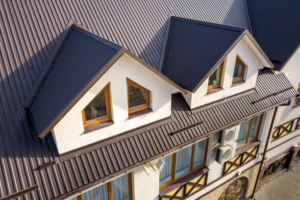
- Corrugated Metal Roofs: While slightly less durable than standing seam, corrugated metal roofs still provide 40–50 years of performance when coated and installed correctly.
3. Performance Comparison With Asphalt Shingles and Clay Tiles
- Asphalt shingles last 15–30 years.
- Clay tiles can last up to 50 years but are fragile and not ideal for all parts of Texas.
- Metal roofing offers the best longevity-to-maintenance ratio.
4. Factors That Extend or Reduce Metal Roof Lifespan
- Installation quality
- Material type
- Protective coatings
- Environmental exposure
- Roof ventilation and insulation
Texas Climate and Its Impact on Roof Durability
- How Texas Heat Affects Metal Roofs
Texas summers can reach triple-digit temperatures. Metal roofs reflect UV rays, keeping homes cooler and reducing thermal expansion stress when adequately ventilated.
- Resistance to Hail Storms and High Winds in Texas
Metal roofs are Class 4 impact-resistant, making them ideal for hail-prone areas. They’re also engineered to withstand wind speeds over 120 mph—critical for areas near Tornado Alley.
- Coastal Texas Concerns: Humidity and Salt Air
For Gulf Coast residents, salt air and humidity can corrode inferior roofing materials. Aluminum or Galvalume-coated steel is recommended to prevent rust and pitting.
- Urban vs. Rural Environmental Factors
Urban areas experience heat island effects, while rural homes may face tree debris and wildlife issues. Each factor influences wear and tear but can be mitigated with proper roofing choices.
Types of Metal Roofs Commonly Used in Texas Homes
1. Galvalume vs. Galvanized Steel Roofs
- Galvalume: Combines aluminum and zinc for superior corrosion resistance.
- Galvanized Steel: Cheaper but more prone to rust over time in coastal regions.
2. Aluminum and Copper Roofing Options
- Aluminum: Lightweight and rust-resistant, ideal for humid climates.
- Copper: Offers exceptional longevity (over 100 years) but is mainly used for aesthetic or high-end builds.
3. Stone-Coated Steel Roofing Systems
Stone-coated steel provides the appearance of tile or shingles with the strength of steel. It’s highly popular among Texas homeowners for its aesthetics and durability.
4. Fire and Corrosion Resistance by Type
Metal roofs are non-combustible (Class A fire rating), an essential safety feature for areas prone to wildfires or lightning storms.
Maintenance Tips to Maximize Metal Roof Lifespan
1. Annual Inspections and Seasonal Checklists
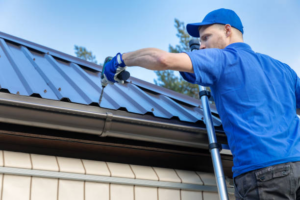
Schedule an annual inspection with a roofing expert like Metal Roofing Specialists, Inc. to check seams, fasteners, flashing, and coating condition.
2. Cleaning Techniques for Metal Roofs in Texas
Use low-pressure washing systems to remove dirt and organic debris. Avoid harsh chemicals that may strip protective coatings.
3. Dealing With Rust, Dents, and Expansion
- Promptly treat minor rust with metal-compatible primers and sealants.
- Address dents from hail quickly to prevent structural compromise.
- Ensure proper expansion joints are installed to handle thermal movement.
4. Importance of Proper Ventilation and Insulation
Good attic ventilation regulates temperature and moisture, preventing premature degradation. Combine with reflective insulation for maximum efficiency.
Common Signs a Metal Roof Needs Repair or Replacement
- Fading Color or Chalking
UV degradation can cause chalking (white residue) or fading. While cosmetic, it can signal coating wear.
- Loose Panels or Exposed Fasteners
These allow moisture to penetrate. Re-secure panels and replace failed fasteners immediately.
- Water Stains or Leaks in Attic Spaces
Leaks near seams or roof valleys may indicate flashing failure or membrane degradation.
- When Replacement is More Cost-Effective Than Repair
If your roof has widespread corrosion, loose seams, and consistent leaking—even after repairs—it may be time for full replacement.
Cost-Benefit Analysis Over Time
- Upfront vs. Lifetime Value
Though the initial investment may be higher, metal roofs pay off over decades through lower maintenance, utility savings, and longer lifespan.
- Energy Efficiency Savings in Hot Texas Summers
Reflective metal roofing can reduce cooling loads by 10–25%, especially with ENERGY STAR-rated coatings.
- Impact on Home Resale Value
Buyers recognize the long-term benefits of a metal roof. Homes with metal roofs sell faster and often above market value.
- Insurance Premium Discounts for Metal Roofs
Some Texas insurers offer discounts for metal roofs due to their fire and storm resistance.
Warranty Expectations and Manufacturer Guarantees
1. What Does a Typical Metal Roof Warranty Cover?
- Material warranties range from 30 to 50 years.
- Paint finish warranties last 20–40 years, covering fading and peeling.
2. Workmanship vs. Material Warranties
Metal Roofing Specialists, Inc. offers both workmanship warranties and will help you register manufacturer-backed material guarantees.
3. Choosing a Certified Texas Metal Roofing Contractor
Always choose local, licensed experts familiar with regional conditions. Metal Roofing Specialists, Inc. has over two decades of Texas metal roofing experience.
4. Importance of Proper Installation for Warranty Protection
Poor installation voids warranties. Always verify certifications, references, and local job history before hiring a roofer.
Metal Roof Lifespan Overview by Type
| Metal Type | Lifespan Range | Ideal for the Texas Region | Rust Resistance | Maintenance Level |
| Standing Seam Steel | 50–70 years | Statewide (esp. North TX) | High | Low |
| Corrugated Steel | 40–50 years | Central & West Texas | Moderate | Medium |
| Aluminum | 50–60 years | Gulf Coast & humid areas | Excellent | Low |
| Galvalume | 50+ years | Central and South Texas | Excellent | Low |
| Copper | 70–100+ years | High-end homes statewide | Excellent | Very Low |
Expert Roofing Advice for Texas Homeowners
1. Choosing the Right Metal Roof for Your Region in Texas
- North Texas: Standing seam for hail and wind resistance.
- Gulf Coast: Aluminum or Galvalume for salt air protection.
- Central Texas: Stone-coated for aesthetics and function.
2. Questions to Ask Your Roofing Contractor
- Are you licensed and insured in Texas?
- What warranty do you offer?
- Do you handle permitting and cleanup?
3. Best Time of Year to Install a Metal Roof in Texas
Spring and fall offer mild weather conditions and quicker project turnaround.
4. Combining Solar Panels With Metal Roofs
Metal roofing is ideal for solar because of its longevity and mounting ease without voiding warranties.
Final Thoughts: Is a Metal Roof Worth It in Texas?
If you’re a Texas homeowner looking for a long-lasting, low-maintenance, and energy-efficient roofing solution, metal roofing is one of the smartest investments you can make. From its ability to withstand Texas storms and sun, to its decades-long lifespan and sleek appearance—metal roofing is built for the Lone Star State.
Ready to upgrade your roof with confidence? Contact Metal Roofing Specialists, Inc. today for a free inspection and consultation with Texas’s trusted residential metal roofing experts.
FAQs: Texas Homeowners Ask About Metal Roof Longevity
Can metal roofs handle Texas hailstorms?
Yes, most modern metal roofs carry Class 4 impact ratings, making them among the best options for hail-prone areas like North Texas.
Do metal roofs rust in Texas humidity?
Not if you choose rust-resistant materials like aluminum or Galvalume. Proper coating and regular maintenance further prevent corrosion.
How often should I inspect my metal roof in Texas?
Once annually, preferably before storm season. Also check after major storms for dents or seam damage.
Is metal roofing too noisy during Texas thunderstorms?
No. When installed over a solid deck with proper underlayment, metal roofs are no noisier than other roof types.
Will a metal roof affect my home insurance in Texas?
Yes—positively. Many insurers in Texas offer discounts due to the durability, fire resistance, and storm resilience of metal roofs.