Texas homeowners face unique challenges when it comes to roofing. The long, hot summers can push energy bills higher and cause strain on cooling systems. Choosing the right roof can make a significant difference in indoor comfort and long-term efficiency. Metal roofs, in particular, are becoming the go-to choice for households looking to cut energy use and extend the life of their roofing system. With insights from Metal Roofing Specialists, Inc., this guide explores how different types of metal roofing perform in extreme heat and why they are considered one of the most effective energy-saving solutions.
Why Roofing Choices Matter in Texas Heat
In Texas, where summer temperatures often exceed 100 degrees, traditional roofing materials can absorb heat and transfer it into the living space. This increases the demand on air conditioning systems and results in higher utility bills. Selecting a roofing material with reflective and insulating qualities is key to reducing these impacts. Metal roofing options excel in this area due to their ability to reflect solar radiation while maintaining structural durability.
Energy Saving Benefits of Metal Roofs
- Radiant Heat Reflection
Metal panels are coated with specialized finishes that reflect solar energy instead of absorbing it. This lowers attic temperatures and reduces the amount of heat transferred into the interior of the home.
- Longevity and Durability
While traditional asphalt shingles may need replacement after 15 to 20 years, metal roofing systems can last 40 to 60 years or more with proper maintenance. This extended lifespan makes them a sustainable option.
- Reduced Energy Costs
By decreasing heat absorption, metal roofs lessen the reliance on air conditioning systems. Homeowners can see substantial savings on energy bills over time.
- Environmentally Friendly
Many metal roofing systems are made from recycled materials and can be fully recycled at the end of their lifespan, adding to their environmental appeal.
Climate Impact on Roofing in Texas
Texas is a state with diverse climate zones, requiring roofing choices tailored to local conditions. Along the Gulf Coast, humidity and salt exposure make aluminum a preferred choice for its corrosion resistance. In West Texas, hot and dry conditions favor Galvalume steel for its heat reflection and durability. In North Texas, where Metal Roofing Specialists is based in Fort Worth, intense heat, sudden storms, and occasional hail demand resilient options like standing seam metal roofs, which offer superior durability and energy efficiency. These roofs are expertly installed by our team to meet the specific needs of North Texas homeowners. Metal roofing’s adaptability makes it ideal for nearly every region in the state.
Popular Metal Roof Options for Texas Homes
- Standing Seam Metal Roofs
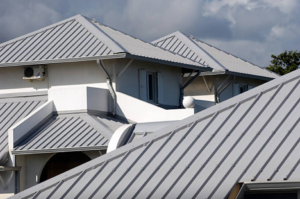
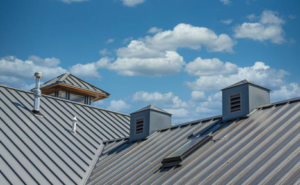
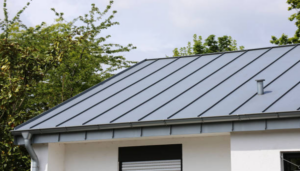
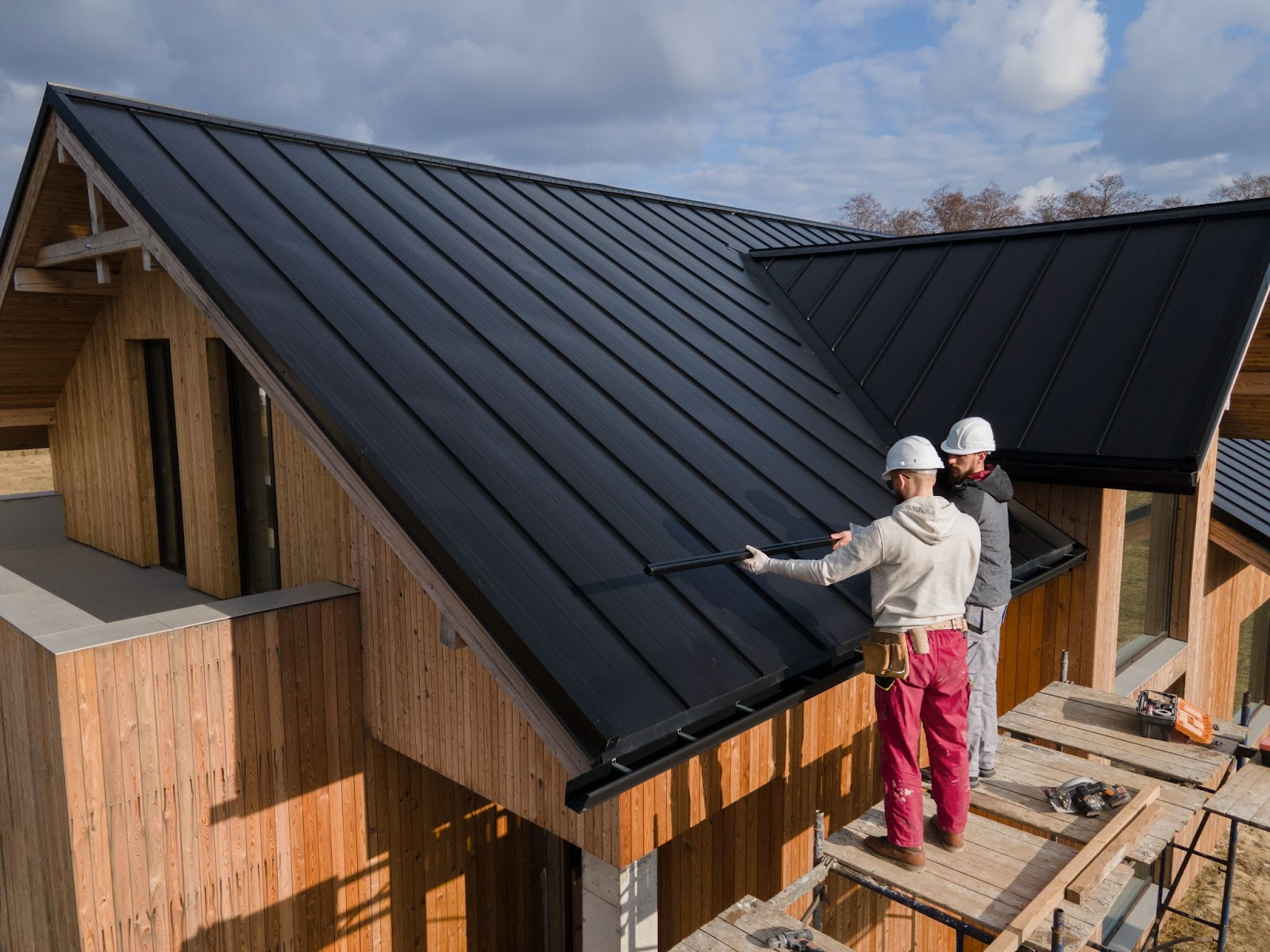
Standing seam roofs are among the most popular choices in Texas. Their vertical panels and concealed fasteners provide both aesthetic appeal and high performance. The raised seams help prevent water intrusion, while reflective coatings enhance their energy efficiency.
- Stone Coated Steel Roofs
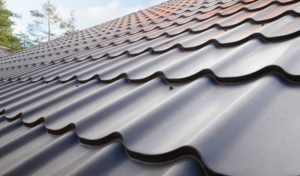
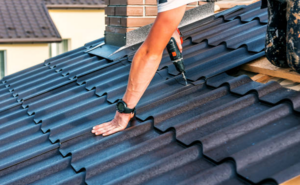
Stone-coated steel combines the strength of metal with the textured appearance of more traditional roofing materials. This option provides homeowners with durability, radiant heat reflection, and a visually appealing finish that complements residential designs.
- Aluminum Roofs
Lightweight and corrosion-resistant, aluminum is an excellent choice for coastal regions of Texas where salt exposure is a concern. Its reflective qualities further add to its energy-saving performance.
- Galvalume Roofs
A blend of zinc, aluminum, and silicon-coated steel, Galvalume roofing offers superior resistance to rust and heat. Its reflective properties make it one of the most effective options for combating Texas heat.
Comparing Metal Roofs with Traditional Materials
Traditional asphalt shingles remain common in Texas because of their affordability. However, they absorb heat readily, causing higher indoor temperatures and shorter lifespans under the Texas sun. Clay or concrete tiles offer better performance in heat but come with higher weight, which may require costly structural reinforcement. Flat roof coatings, often used on commercial buildings, are effective for extending the life of an existing roof but typically cannot match the durability or radiant reflection of metal systems.
Metal roofs stand out because they combine the reflectivity of coatings, the durability of tile, and the lightweight performance of modern systems into one package. This balance makes them a versatile and efficient option for a wide variety of Texas properties.
Considerations Before Choosing Metal Roofs
- Initial Investment
Metal roofing systems typically cost more upfront compared to asphalt shingles. However, the long-term energy savings and extended lifespan can offset the initial expense.
- Noise Control
Some homeowners are concerned about noise during heavy rain. Proper insulation and installation techniques can minimize this issue.
- Structural Compatibility
For homes or buildings with older frameworks, it is important to ensure the structure can support a metal roof. A professional evaluation may be required before proceeding with installation.
The Role of Proper Installation
Even the best energy-efficient roof cannot perform well without correct installation. Working with certified experts ensures that panels are aligned, fastened, and sealed to maximize insulation and durability. In regions like Texas, where summers are harsh, precise installation reduces the risk of gaps that allow heat transfer. Professional installers also check structural compatibility, making sure that the roof design fits older homes or unique layouts without compromising energy efficiency.
Maintenance Practices for Energy Savings
Metal roofing requires less upkeep than many traditional materials, but regular care helps preserve efficiency.
- Inspections: Annual inspections confirm that fasteners, seams, and coatings remain intact.
- Cleaning: Removing dirt and debris maintains reflective properties.
- Re-coating: Specialized reflective coatings may be reapplied over time to maintain maximum performance.
- Ventilation checks: Proper attic ventilation enhances the cooling benefits of metal roofing.
Long-Term Value of Metal Roofing
When evaluating roofing choices, it is important to look beyond initial costs. Metal roofing systems provide a strong return on investment through durability, energy savings, and reduced maintenance requirements. Unlike traditional materials that may degrade quickly in extreme heat, metal maintains its performance and appearance over decades. Homeowners also benefit from fewer repair needs and extended warranties, further improving long term value.
Sustainability Advantages
Environmental responsibility is increasingly important for many Texas homeowners. Metal roofing systems contribute to sustainability in several ways. They are often manufactured with recycled materials, reduce landfill waste by lasting decades longer than asphalt shingles, and are fully recyclable at the end of their service life. Their ability to lower household energy use also reduces carbon emissions, supporting a more sustainable living environment.
Conclusion
Texas homeowners and businesses face unique challenges when it comes to staying cool and controlling energy costs during the summer. Metal roofs offer a solution that balances durability, energy efficiency, and environmental responsibility. With options such as standing seam, stone-coated steel, aluminum, and Galvalume, property owners can find a style that meets their needs while reducing long term expenses. Partnering with experienced professionals like Metal Roofing Specialists, Inc. ensures proper evaluation, installation, and lasting results.
If you are considering upgrading your home or business roof, now is the time to explore metal options. Contact Metal Roofing Specialists, Inc. to learn more about the most energy saving solutions for Texas heat and secure a system built for decades of performance.
FAQs
Are metal roofs really energy efficient in Texas heat?
Yes, metal roofs are highly energy efficient because they reflect solar radiation instead of absorbing it. This helps reduce attic temperatures and lowers the cooling load on air conditioning systems during hot Texas summers.
Which type of metal roof is best for Texas homes?
Standing seam and stone-coated steel roofs are popular in Texas because they combine durability, heat reflection, and aesthetic appeal. Aluminum and Galvalume are also excellent options, especially for areas with coastal exposure or extreme heat.
Do metal roofs make a home hotter?
No, metal roofs do not make homes hotter. In fact, they reflect a large portion of the sun’s rays, which helps keep indoor spaces cooler. With proper insulation and installation, metal roofs can significantly reduce cooling costs.
How long do metal roofs last compared to shingles?
Metal roofing systems can last 40 to 60 years or more with proper maintenance. In contrast, asphalt shingles typically last 15 to 20 years, especially under the harsh Texas sun.
Is the higher cost of a metal roof worth it in Texas?
While the initial investment for a metal roof is higher than shingles, the long-term benefits—such as reduced energy bills, durability, and minimal maintenance—make it a cost-effective solution for Texas property owners.