Hailstorms are not a rare event in North Texas. For homeowners across the DFW area, severe weather is a recurring reality that puts roofs to the test year after year. While many homes are built with asphalt shingles, repeated hail damage has shown that traditional roofing materials often struggle to survive even a single major storm. As weather patterns become more unpredictable, homeowners are increasingly looking beyond short-term fixes toward long-term roofing solutions.
Metal roofing has emerged as one of the most reliable options for homes in hail-prone regions. Designed to withstand impact, resist weather damage, and last for decades, metal roofs offer a level of protection that asphalt shingles simply cannot match. When comparing the aftermath of a hailstorm, the differences between these materials are often impossible to ignore.
The Reality of Hail Storms in North Texas
North Texas consistently ranks among the most hail-prone regions in the United States. DFW-area homeowners experience storms that produce hail large enough to crack windshields, dent siding, and severely damage roofs. These storms can strike suddenly and with enough force to compromise roofing systems in minutes.
For many homeowners, one hail storm is enough to trigger an insurance claim. Unfortunately, repeated storms mean repeated claims, higher deductibles, and ongoing repair costs. Even when damage appears minor, hail can weaken shingles, shortening their lifespan and leaving the roof vulnerable to leaks.
Roofing in this region is not just about appearance. It is about impact resistance, durability, and long-term performance under extreme conditions.
What Hail Does to Asphalt Shingle Roofs
Asphalt shingles are the most common roofing material in North Texas, but they are also one of the most vulnerable to hail damage. Shingles are designed to be lightweight and affordable, not impact-resistant.
After a single hail storm, asphalt roofs often show clear signs of damage, such as cracked shingles, bruising, granule loss, and exposed underlayment. Even when damage is not immediately visible, the protective granules that shield shingles from UV exposure can be knocked loose, accelerating wear and shortening the roof’s lifespan.
Real-world comparisons show asphalt roofs destroyed after one storm. Shingles split apart, edges curl, and leaks begin to develop soon after. In many cases, a full roof replacement is required, even if the roof is only a few years old.
How Metal Roofs Respond to Hail Impact
Metal roofs perform very differently when exposed to hail. Instead of cracking or breaking, metal panels are designed to absorb and dissipate impact energy. High-quality metal roofing systems are tested for impact resistance and often achieve Class 4 ratings, which is the highest level available.
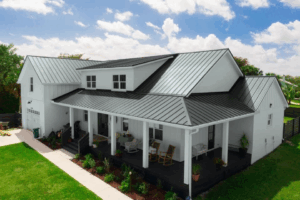
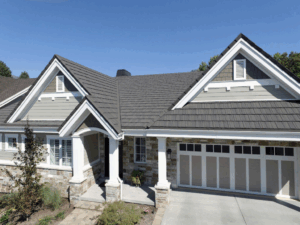
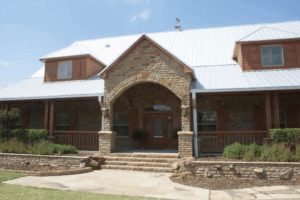
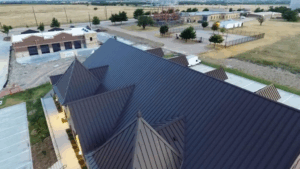
After severe hailstorms, metal roofs frequently remain intact with little to no visible damage. In many cases, homeowners find that their roofs have survived unscathed, while neighboring asphalt roofs require repairs or replacement.
This resilience is not accidental. Metal roofing materials are engineered to handle extreme weather conditions, including hail, high winds, and intense heat. The result is a roofing system that continues to perform long after other materials fail.
Visual Proof Tells the Story
Side-by-side comparisons after hailstorms provide compelling evidence. Photos of asphalt roofs show shingles torn apart, surfaces stripped of granules, and widespread damage across entire neighborhoods. Nearby homes with metal roofs often tell a different story.
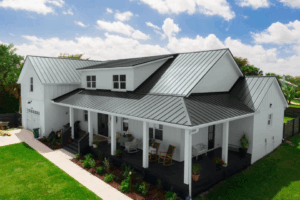
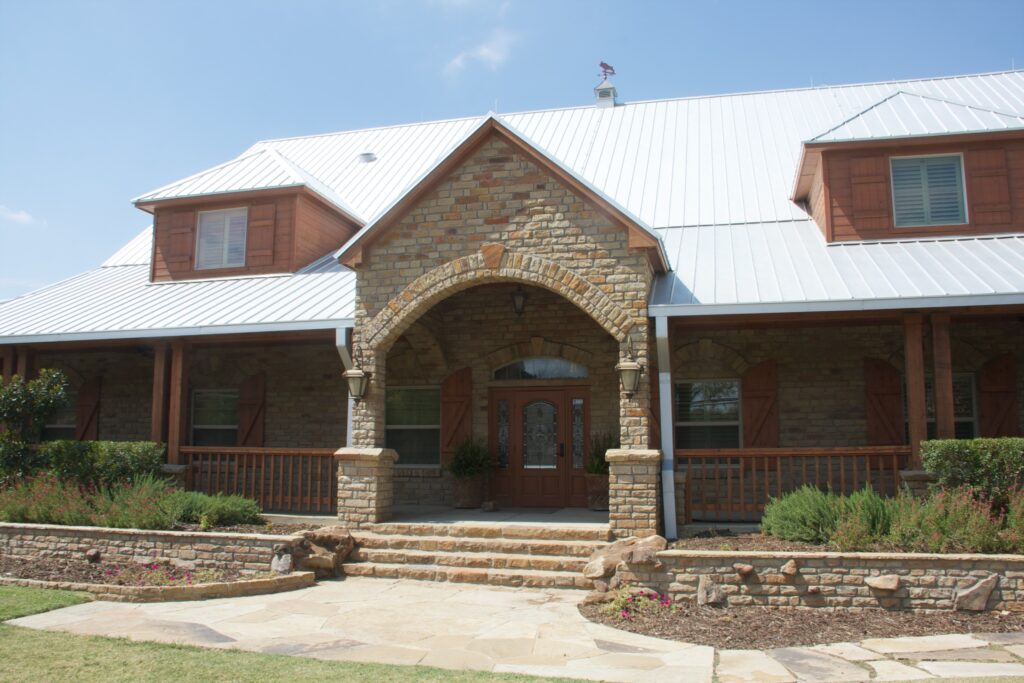
Metal roofs typically show minimal cosmetic denting at most, with no compromise to the roof’s protective integrity. Many metal roofs look nearly identical before and after a storm. This visual contrast has convinced countless homeowners that metal is not just a premium option but a practical necessity in North Texas.
Why Metal Roofs Are Built for Hail Country
Metal roofing performs better in hailstorms for several key reasons:
- Metal panels are flexible and disperse impact energy rather than absorbing it in one spot
- Protective coatings prevent corrosion and surface damage
- Interlocking panel systems enhance structural strength
- Impact-resistant designs reduce the risk of punctures and leaks
Unlike asphalt shingles, which become brittle over time, metal roofs maintain their strength and performance for decades.
The Long-Term Cost of Repeated Repairs
At first glance, asphalt shingles appear to be the more affordable option. However, the long-term costs tell a different story. Homeowners often face repeated repair bills, insurance deductibles, and full roof replacements every 10 to 15 years, sometimes sooner in hail-prone areas.
Metal roofing shifts the equation from ongoing expenses to long-term value. While the initial investment may be higher, metal roofs drastically reduce the need for repairs and replacements. Over time, homeowners often spend less overall while gaining peace of mind during every storm season.
A roof that survives storm after storm without damage becomes more than a building component. It becomes a financial safeguard.
Insurance Advantages of Metal Roofing
Insurance companies recognize the durability of metal roofs. In many cases, homes with metal roofing experience fewer hail-damage claims. Some insurers offer premium reductions or incentives for impact-resistant roofing systems.
Beyond potential savings, metal roofs also reduce the stress associated with filing claims after every major storm. Homeowners can rest easier knowing their roof is less likely to suffer damage that requires insurance involvement.
Installation Quality Makes the Difference
Even the most durable roofing material requires proper installation to perform as intended. Homeowners should always work with contractors who understand North Texas weather conditions and metal roofing systems.
Before hiring a roofing contractor, homeowners should verify:
- Proof of active general liability insurance
- Proof of general liability insurance and subcontractor insurance documentation
- Experience with metal roofing installations
- Knowledge of local building codes and inspection requirements
It is important to note that in Texas, workers’ compensation insurance is not mandatory for roofing companies. Many companies use independent subcontractors rather than direct employees, which is standard in the Texas roofing market.
A company like Metal Roofing Specialists focuses on proper installation techniques, local expertise, and high-quality materials to ensure metal roofs perform exactly as intended during severe weather events.
Designed for the North Texas Climate
Metal roofs are not only built for hail but also for the full range of North Texas weather conditions. They reflect solar heat, which helps reduce cooling costs during hot summers. They resist high winds that accompany severe storms. They do not rot, crack, or warp under prolonged exposure to heat.
Metal roofing also complements a wide variety of architectural styles, from traditional homes to modern designs. With multiple finishes, colors, and profiles available, homeowners can choose durability without sacrificing curb appeal.
One Roof for Life
The most compelling advantage of metal roofing is longevity. Many metal roofs last 40 to 70 years or more with minimal maintenance. That means most homeowners will never need to replace their roof again.
Instead of worrying about the next hailstorm, homeowners can enjoy the confidence that comes with a roof designed to last a lifetime. No repeated replacements. No constant repairs. No anxiety when severe weather appears in the forecast.
This is where the phrase one roof for life truly applies.
Conclusion:
Hailstorms are unavoidable in North Texas, but repeated roof damage need not be. The contrast between asphalt shingles destroyed after a single storm and metal roofs that remain intact is clear evidence that material choice matters.
Metal roofing offers unmatched durability, long-term savings, and peace of mind in one of the most hail-prone regions in the country. For homeowners tired of repairs, insurance claims, and replacements, metal roofing offers a smarter, more resilient solution.
Metal Roofing Specialists helps North Texas homeowners protect their homes with roofing systems built to withstand hail, heat, and the test of time. Their expertise ensures each installation meets the highest standards for performance and longevity.
Do not wait until the next hail storm puts your roof at risk. Schedule a consultation today, explore metal roofing options, and take the first step toward a true one-roof-for-life solution that protects your home for decades to come.
FAQs
North Texas experiences frequent severe hailstorms with large hail sizes that can crack, bruise, and weaken roofing materials. These storms often cause immediate damage and reduce the lifespan of traditional asphalt shingle roofs.
Metal roofs are designed to absorb and disperse impact energy, making them far more resistant to hail damage. While asphalt shingles often crack or lose granules after one storm, metal roofs usually remain intact and functional.
Yes. High-quality metal roofing systems are built to last 40 to 70 years or more. They resist hail, wind, heat, and weather-related deterioration, making them a true long-term roofing solution for North Texas homes.
Many insurance providers view metal roofs as lower risk due to their durability. Homeowners may experience fewer claims and, in some cases, insurance incentives or reduced premiums over time.
Homeowners should request proof of active general liability insurance, subcontractor insurance documentation, local experience with metal roofing, and knowledge of North Texas building codes and weather conditions.