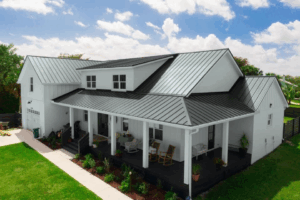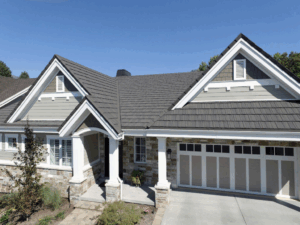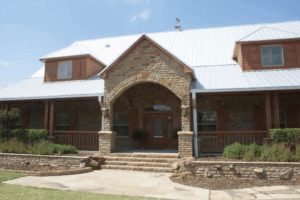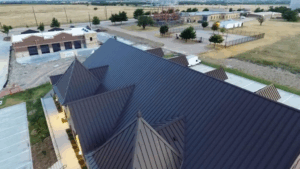
Choosing the right metal roofing contractor can determine the long-term durability, energy efficiency, and overall performance of your roof. The introduction to any contractor search should include careful evaluation, research, and structured questioning. Homeowners in the Dallas-Fort Worth region face unique climate challenges, including hail, strong winds, and intense heat. This makes it even more important to select a metal roofing contractor with proven skills, technical expertise, and a solid record of past installations. Asking the right questions at the beginning helps prevent costly mistakes, unexpected failure, and warranty issues that could arise later.
Why Contractor Selection Matters
Contractor selection influences roof longevity, structural integrity, and long-term maintenance needs. A metal roof installed by an inexperienced or underqualified contractor can lead to early corrosion, loose panels, leaking seams, and poor energy efficiency. A well-trained metal roofing contractor understands ventilation requirements, panel fastening techniques, flashing installation, and expansion allowances in metal systems. Homeowners who skip the evaluation phase often encounter recurring repairs and voided warranties.
The DFW region experiences frequent temperature shifts and weather extremes. This means the roof must withstand contraction, expansion, impact, and direct UV exposure. A contractor without the correct training may overlook details that later cause structural flaws. Careful vetting protects homeowners from these issues and ensures the roofing system performs as expected.
What Experience Do You Have with Metal Roofing
Experience is key when choosing a metal roofing contractor. Metal roof installation requires specialized tools, fasteners, and techniques that differ significantly from traditional shingles. Not every contractor is trained in standing seam systems, metal panels, or stone-coated steel. Some may focus solely on residential projects, while others handle both residential and commercial installations.
When comparing roofers, requesting examples of past DFW projects, photos, references, and detailed project descriptions can help you evaluate their expertise. Ask how many years they’ve worked with metal materials and what challenges they’ve successfully managed. In Texas, there’s no special licensing requirement for roofers, so a contractor’s hands-on experience and proven track record are the best indicators of quality and reliability.
Are You Properly Insured
While experience is crucial, homeowners should always verify that any metal roofing contractor is insured. Liability insurance protects against property damage during installation, and workers’ compensation covers injuries that may occur on your property. A contractor who cannot provide proof of insurance puts you at risk of legal and financial issues.
Always ask for documentation and confirm its validity directly with the insurance provider. Avoid relying on verbal assurances; written proof is essential when hiring a roofing professional in Texas.
Can You Provide References and Online Reviews
References and online reviews offer insight into the reliability and quality of a metal roofing contractor. Homeowners should evaluate reviews on platforms that reflect transparency and consumer experiences. This includes checking the importance of reviews from BBB, Google, and other reputable sources. Patterns in feedback can give strong indicators of performance. Consistent positive remarks about punctuality, workmanship, and communication help validate a contractor. On the other hand, repeated complaints about delays, hidden fees, or poor installations should be red flags.
Ask the contractor for recent clients you can contact directly. Speaking with past customers allows you to ask about the contractor’s behavior, professionalism, and final work quality. Pay attention to how the contractor responds when you request references. A trustworthy contractor is transparent and confident in their work history.
What Warranties Do You Offer on Materials and Workmanship
Warranties play a critical role in long-term roof performance. Material warranties usually come from the manufacturer and cover defects in roofing materials. Workmanship warranties come from the contractor and cover installation errors. Both are important. Ask the metal roofing contractor to explain warranty details clearly, including the length of coverage and any exclusions. Some warranties may only apply if certain installation standards are followed.
Homeowners should also ask about transferability. If you decide to sell your home, a transferable warranty can be an attractive selling point. A clear and detailed warranty protects homeowners from unexpected repair costs. When discussing warranties, ask the contractor to provide all documents in writing before the project begins.
Are You Familiar with DFW Building Codes and Weather Conditions
Local knowledge is an essential factor when choosing a contractor. DFW has unique building codes and requirements related to wind resistance, fire safety, and structural design. A metal roofing contractor with strong local code expertise ensures your roof meets legal standards. Failure to follow local codes can result in fines, delays, and potential roof replacement.
Additionally, roofing materials and methods must suit DFW’s climate. A contractor familiar with local weather understands which metal systems perform best under hail, moisture, and heat. For example, certain profiles offer better impact resistance, while others offer stronger energy efficiency.
Around the mid-section of your contractor research, this is also a good place to ask the contractor whether they have worked with reputable suppliers such as Metal Roofing Specialists. Discussing supply chain relationships helps verify that the contractor sources durable materials and consistently follows industry standards.
Additional Considerations During Contractor Evaluation
Aside from technical expertise and documentation, homeowners should assess communication style, clarity of estimates, and project management habits. A well-prepared contractor will give a written estimate that outlines labor, materials, timeframes, and payment schedules. Vague estimates or incomplete contract agreements should raise concerns.
Ask whether the contractor uses subcontractors or in-house crews. Subcontractors may vary in skill level. Contractors who provide transparent crew information allow you to better understand who will be working on your home.
Homeowners should also ask about the expected timeline. A realistic and clear schedule helps avoid confusion during installation. When requesting timeline and communication details, you may also inquire whether the contractor has collaborated with trusted suppliers, including Metal Roofing Specialists, because consistency with reputable suppliers can be a positive indicator of material quality.
Red Flags to Watch Out For
There are several warning signs that should prompt homeowners to reconsider their choice of contractor. These include:
• Pressure to sign a contract quickly
• Requests for unusually high deposits
• No written estimate or unclear pricing
• Unwillingness to provide references
• No proof of insurance
• Poor communication or lack of professionalism
• Inconsistent online review patterns
If any of these issues arise, homeowners should consider alternative contractors. A reliable contractor values clear agreements and respects the homeowner’s evaluation process.
Conclusion
Selecting the right metal roofing contractor in DFW requires thoughtful research and carefully structured questions. Experience, insurance documentation, warranty details, review patterns, and code familiarity should all guide your decision. A contractor who performs well in all these categories is more likely to deliver a durable and reliable metal roof that withstands DFW’s demanding climate. Homeowners who take the time to evaluate contractors thoroughly reduce long-term risks and ensure a strong return on their investment.
Before starting your project, take the next step by scheduling a detailed roof assessment with a trusted metal roofing contractor in DFW. A professional inspection and consultation can help you make informed choices that protect your property and maximize long-term value.
Frequently Asked Questions
A properly installed metal roof can last 40 to 70 years. Longevity depends on material quality, installation, and maintenance habits.
Metal roofing performs well against hail when using impact-rated materials. Choosing thicker panels increases resistance.
Metal roofs need minimal maintenance. Homeowners should schedule annual inspections and keep debris clear from surfaces and gutters.
Check material quality, installation methods, warranties, insurance coverage, and timeline clarity. The cheapest option is not always the best value.
Yes. Metal roofs reflect solar heat, which reduces energy consumption during warm seasons common in DFW.