Texas homeowners face unique challenges when it comes to roofing. Long, hot summers, occasional hail, high winds, and humidity in some areas put extra stress on roofing materials. While metal roofs are renowned for their durability, energy efficiency, and long lifespan, they still require annual maintenance to ensure they perform optimally and last for decades. Regular upkeep prevents minor issues from becoming costly repairs and maintains the reflective properties that help reduce energy costs.
With expertise from Metal Roofing Specialists, Inc., this guide provides a comprehensive annual maintenance checklist for metal roofs in Texas, helping homeowners preserve their investment and enjoy long-term benefits.
Why Annual Maintenance is Crucial for Texas Metal Roofs
Metal roofs are one of the most durable roofing solutions, capable of lasting 40 to 60 years or more. However, without proper annual maintenance, even the strongest roofs can experience:
- Corrosion and Rust: Small scratches, dents, or trapped moisture can lead to rust over time.
- Loose Fasteners: Thermal expansion and contraction may cause screws or bolts to loosen, creating potential leak points.
- Decreased Energy Efficiency: Dirt accumulation and worn coatings reduce the roof’s reflective properties, increasing cooling costs.
- Warranty Issues: Many roof warranties require annual inspections and maintenance to remain valid.
Annual maintenance not only preserves the roof’s integrity but also enhances energy efficiency, reduces long-term costs, and ensures a safe living environment.
Comprehensive Annual Metal Roof Maintenance Checklist
1. Conduct a Visual Roof Inspection
Start by thoroughly inspecting your roof, ideally in the spring or fall:
- Look for dents, scratches, or punctures from hail or debris.
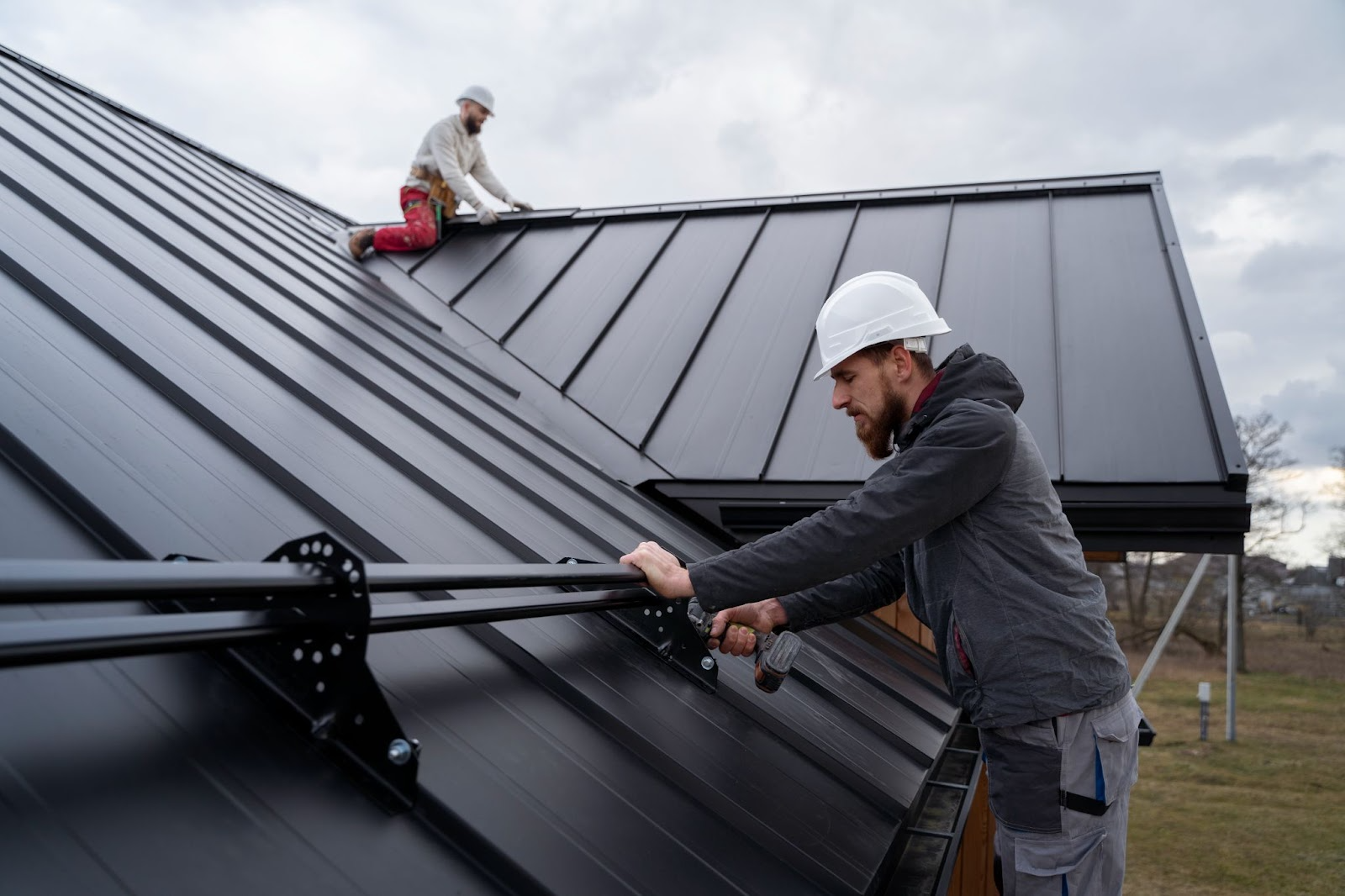
- Check for loose, missing, or rusted fasteners along seams and panels.
- Inspect flashing, vents, chimneys, and skylights for signs of wear or gaps.
A visual inspection helps identify early problems before they escalate, saving time and money in the long term.
2. Clean the Roof Surface
Accumulated dirt, leaves, and debris can trap moisture and reduce the effectiveness of reflective coatings:
- Remove debris from valleys, gutters, and panel surfaces.
- Use a mild detergent and water for cleaning, avoiding harsh chemicals that can damage protective coatings.
- Regular cleaning preserves the roof’s radiant heat reflection, reducing cooling demands during hot Texas summers.
3. Inspect and Tighten Fasteners
Metal roofs are fastened with screws or clips that can loosen over time due to thermal movement:
- Examine all fasteners, screws, and clips, tightening any that are loose.
- Replace missing or damaged fasteners with compatible roofing hardware.
- Check that fasteners maintain proper sealant coverage to prevent leaks.
Proper fastener maintenance is crucial for keeping the roof structurally sound and watertight.
4. Examine Roof Seams and Flashing
Seams and flashing are common areas for leaks or water infiltration:
- Inspect for gaps, cracks, or lifting along seams.
- Examine flashing around chimneys, vents, skylights, and roof-to-wall transitions.
- Reapply or replace sealant as necessary to maintain waterproof integrity.
Seam and flashing maintenance ensures your roof continues to protect your home against wind-driven rain and other extreme weather.
5. Check for Rust and Corrosion
Even with durable coatings, metal roofs can develop corrosion in small damaged areas:
- Identify any rust spots, scratches, or exposed metal.
- Apply touch-up paint or protective coatings to small areas.
- For larger corrosion areas, consult professionals for repair to prevent structural weakening.
Regular corrosion prevention extends the roof’s lifespan and maintains its appearance.
6. Evaluate Roof Coatings
Reflective coatings enhance energy efficiency by reducing solar heat absorption:
- Inspect coatings for fading, peeling, or worn spots.
- Reapply or repair coatings as needed to preserve heat reflection.
- Maintaining coatings reduces the demand on air conditioning systems and lowers energy bills.
7. Check Ventilation and Insulation
Proper attic ventilation complements the metal roof’s performance:
- Ensure vents are unobstructed and functioning correctly.
- Inspect attic insulation for moisture or compression, which can reduce energy efficiency.
- Adequate ventilation prevents heat buildup, extending the roof’s lifespan and enhancing indoor comfort.
8. Assess Hail and Storm Damage
Texas is prone to severe weather, including hail, wind, and storms:
- After major storms, check for dents, punctures, or displaced panels.
- Document damage for insurance purposes and schedule a professional inspection if needed.
- A certified roofer like Metal Roofing Specialists, Inc. can ensure any storm damage is repaired properly.
9. Trim Nearby Trees and Vegetation
Vegetation near the roof can cause damage and increase debris accumulation:
- Trim overhanging branches to prevent scratches, punctures, or roof panel shifting.
- Remove fallen leaves or organic debris regularly.
- Maintaining a safe distance between trees and your roof reduces physical damage and prolongs roof life.
10. Schedule Professional Annual Inspection
Even diligent homeowners benefit from a professional inspection:
- Certified professionals can detect hidden issues, such as small leaks, corrosion under panels, or loose fasteners.
- Professionals ensure warranty compliance and proper maintenance.
- Annual inspections provide peace of mind and help prevent expensive repairs in the future.
Benefits of Regular Metal Roof Maintenance
- Prolonged Roof Lifespan
Regular maintenance prevents minor issues from escalating, keeping your metal roof in top condition for decades. Early identification of problems like rust, loose fasteners, or damaged coatings ensures the roof remains durable and structurally sound.
- Energy Efficiency
Clean reflective coatings maximize solar heat reflection, reducing attic and home temperatures. Proper maintenance ensures your metal roof continues to contribute to lower cooling costs, especially important in the hot Texas climate.
- Cost Savings
Preventive maintenance reduces the likelihood of costly repairs or premature roof replacement. Small investments in cleaning, inspections, and repairs can save thousands of dollars in the long term.
- Enhanced Safety
Loose panels, damaged fasteners, or compromised flashing can pose safety hazards. Regular maintenance identifies potential risks, protecting homeowners, their families, and their property.
- Sustained Aesthetics
Metal roofs maintain their sleek appearance and vibrant color longer with proper upkeep. Removing debris, addressing corrosion, and repairing worn coatings preserves the roof’s visual appeal.
Seasonal Tips for Texas Homeowners
- Spring: Clean the roof after pollen season and inspect for winter storm damage.
- Summer: Check for heat-related expansion and ensure ventilation is functioning properly.
- Fall: Remove fallen leaves and inspect gutters to prepare for winter storms.
- Winter: Monitor for ice dams or water accumulation in areas prone to freezing temperatures.
Adapting maintenance routines to seasonal changes helps protect your roof year-round.
Conclusion
Annual maintenance is essential for Texas homeowners who want their metal roofs to remain durable, energy-efficient, and long-lasting. Following this annual metal roof maintenance checklist ensures minor issues are addressed early, energy savings are maximized, and the roof’s aesthetic and structural integrity is preserved.
Partnering with experienced professionals like Metal Roofing Specialists, Inc. ensures thorough inspections, proper maintenance, and compliance with roof warranties. Schedule your annual maintenance today to protect your investment, enjoy consistent energy efficiency, and extend the lifespan of your metal roof.
FAQs
How often should I inspect my metal roof in Texas?
Metal roofs should be inspected at least once a year, ideally in spring or fall, to check for damage, loose fasteners, or coating wear. Additional inspections are recommended after severe storms.
Can I perform metal roof maintenance myself?
Homeowners can handle basic cleaning and debris removal, but professional inspections are recommended annually. Experts like Metal Roofing Specialists, Inc. can identify hidden issues and ensure proper repairs.
What common issues should I look for during maintenance?
Key areas include loose or missing fasteners, rust or corrosion, damaged flashing and seams, worn coatings, and debris accumulation. Early detection prevents costly repairs.
Does metal roof maintenance improve energy efficiency?
Yes, maintaining clean reflective coatings and proper ventilation helps metal roofs reflect heat, keeping homes cooler and reducing electricity costs during hot Texas summers.
How does professional maintenance protect my warranty?
Many metal roof warranties require annual inspections and maintenance. Hiring certified professionals ensures all requirements are met, keeping your warranty valid while protecting your investment.